Disclosure This post contains affiliate links. As an Amazon Associate, I earn from qualifying purchases at no extra cost to you.
Unlocking the Benefits of Tai Chi Walking for Everyone
Tai Chi is often thought to be an activity mainly for older adults, typically portrayed through serene groups of older individuals practicing in parks or community centers. This calming imagery can lead to the misconception that Tai Chi is only suitable for the elderly. In actuality, the practice is beneficial for individuals of all ages, offering a wide range of health advantages.
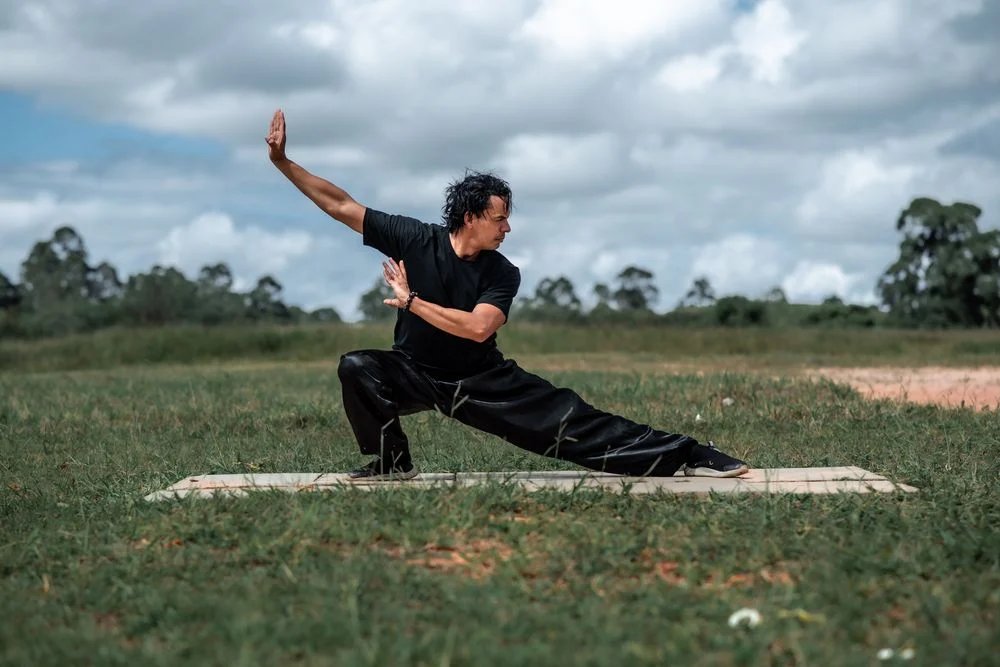
Tai Chi walking is a unique form of walking that differentiates itself from conventional walking methods. While traditional walking may focus on pace and distance, Tai Chi walking emphasizes mindfulness, body awareness, and controlled movements. As you immerse yourself in this practice, you are likely to find that it enhances not just your physical well-being but also your mental state.
Understanding Tai Chi Walking
The essence of Tai Chi walking lies in its deliberate and conscious movements. The practice involves placing each foot with intention, shifting weight from heel to toe while maintaining a sense of balance and control. Unlike everyday walking, where we often go through the motions without much thought, Tai Chi walking encourages us to be fully present. This focus on intentionality helps you enhance your awareness of your body, your breath, and your surroundings.
Every step you take in Tai Chi walking can be a profound exercise in mindfulness. You may find that as you engage in the practice, you’re not just walking but also experiencing a deeper connection with your environment. By slowing down and observing each moment, you cultivate a sense of tranquility that can permeate other areas of your life.
Health Benefits of Practicing Tai Chi
- Enhances Posture and Alignment
Maintaining good posture is crucial for physical health, yet many people struggle with it due to long hours spent sitting or engaging in poor movement habits. Traditional methods for addressing posture often focus solely on standing up straight, without addressing the underlying issues affecting alignment.
Tai Chi adopts a holistic approach to improving posture. It emphasizes awareness through movement and breathing, helping you understand how your body parts—head, shoulders, spine, hips, and feet—interrelate. As you practice, you’re likely to notice improvements in your body mechanics, making daily activities more comfortable. Over time, this new awareness may lead to more efficient movement patterns.
- Potential Relief from Back Pain
Back pain is a common complaint among people, especially as they age. Many find traditional exercise routines exacerbating their discomfort, making it challenging to remain active. Tai Chi offers an alternative that prioritizes gentle movements which can be effectively tailored to different fitness levels.
The benefit of Tai Chi in alleviating back pain lies in its focus on engaging the muscles across your core, hips, and legs, promoting better balance and movement control. Studies have indicated that it can help reduce pain and enhance the physical function of those experiencing chronic lower back pain. Before starting any new exercise regimen, particularly if you’re dealing with significant discomfort, consulting with a healthcare professional is advisable.
- Promotes Stress Reduction
In today’s fast-paced world, stressors abound, and while you may not have control over what triggers your stress, you can learn to manage your response. Tai Chi serves as a powerful tool for stress relief. By marrying slow, rhythmic movements with controlled breath and focused attention, the practice fosters relaxation.
Engaging in Tai Chi encourages you to stay present and aware, which can be particularly soothing. Pairing your movements with slow, deep breathing can further enhance the calming effects. Simply inhaling for four counts and exhaling for a bit longer creates a natural rhythm that emphasizes tranquility.
- Reduces Fall Risk
For older adults, falls represent a significant health hazard and can lead to long-lasting injuries. Tai Chi specifically addresses the various factors contributing to fall risks. The slow, mindful movements enhance your balance, coordination, body awareness, and overall lower body strength.
Practicing Tai Chi can sharpen your brain’s ability to process information regarding stability and body position. Research has shown that regular Tai Chi practice can significantly lower the incidence of falls among older adults. Moreover, the cognitive and mood improvements associated with Tai Chi make it a well-rounded choice for promoting both physical and mental vitality.
Engaging with Tai Chi: Starting Your Journey
In a world that often encourages hurried lifestyles and relentless productivity, Tai Chi invites you to embrace a more intentional way of being. This practice is accessible to anyone, regardless of age or fitness level. You don’t need to join a gym or invest in expensive equipment; Tai Chi can easily be practiced at home or outdoors.
Consider dedicating 10 to 15 minutes each day to this reflective movement practice. Focus on moving slowly and intentionally, paying attention to your breath and how each step feels. Over time, you may discover that these moments of quiet become a cherished part of your daily routine.
Conclusion
Tai Chi walking is much more than a gentle exercise—it’s an enriching experience that combines movement, mindfulness, and practical benefits for physical and mental health. By integrating Tai Chi into your daily life, you can improve your posture, relieve back pain, reduce stress, and enhance your stability. Ultimately, Tai Chi can serve as an excellent addition to your wellness routine, encouraging a harmonious balance between body and mind.
Embrace the art of Tai Chi walking, and you may find yourself revitalized, both physically and mentally, as you navigate the rhythm of each day.