Disclosure This post contains affiliate links. As an Amazon Associate, I earn from qualifying purchases at no extra cost to you.
1. The Bear Crawl
While it may look amusing, the bear crawl is an incredibly tough exercise that quickly ramps up in intensity. Despite its playful appearance, many fitness programs, including military training, incorporate this movement due to its effectiveness. The bear crawl promotes full-body control and coordination, utilizing a cross-body pattern that many traditional workouts can’t replicate.
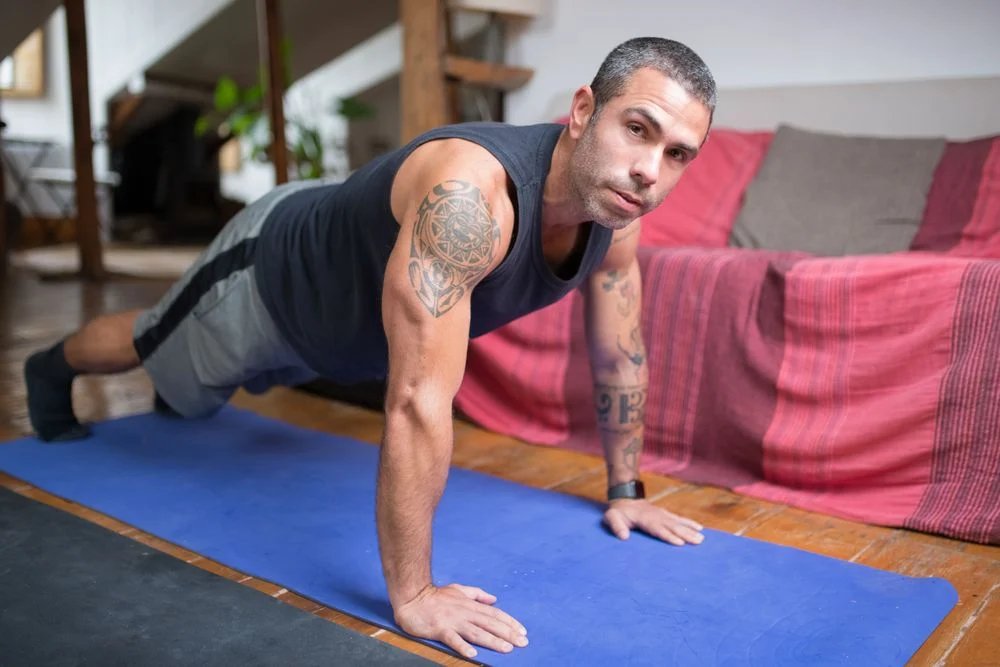
Effective Bodyweight Exercises for Strength and Fitness at Home
In today’s fast-paced world, not everyone finds it feasible to hit the gym regularly. Gym memberships can often be a financial strain, especially for beginners just starting their fitness journey. Moreover, after a long workday that ends late in the evening, the idea of commuting to a gym can be less than appealing. This is where bodyweight exercises come into play, offering a practical solution for those looking to enhance their fitness without costly memberships or extensive time commitments.
Understanding that you don’t need heavy weights or elaborate machines for a solid workout is crucial. Bodyweight exercises are powerful tools for building muscle and total body strength. They enable flexibility, allowing you to work out at home when it best suits your schedule. This ease of access makes it much more manageable to maintain a consistent workout routine.
This isn’t merely a beginner exercise; it’s an intensive full-body movement that hones your strength, coordination, and core stability all at once. You can complete this exercise without any equipment whatsoever.
Begin with a slow pace, concentrating on maintaining excellent form rather than covering vast distances. As you gain confidence in your technique, you can gradually increase either the distance or the repetitions.
2. The Triceps Dip
A common misconception is that push-ups effectively work your triceps. While there’s some truth to that, they don’t target your triceps as directly as triceps dips do. This exercise more specifically engages your triceps, lower chest, and anterior deltoids, offering a more comprehensive workout for your upper body.
At first glance, triceps dips might appear simple, but they can quickly become challenging. That’s what makes them a valuable addition to any bodyweight routine. Dips provide an effective range of motion for strengthening your triceps while also engaging other upper-body muscles.
You can perform triceps dips using a sturdy chair or bench at home. Maintain an upright posture, keeping your elbows close to your body as you lower yourself down. If you’re unfamiliar with this exercise, start with a limited range of motion and gradually increase as you build strength.
3. Bodyweight Squat
Arguably one of the most fundamental lower-body exercises you can master, the squat serves purposes far beyond the gym. Learning to squat comfortably impacts your daily life significantly, influencing how you sit, stand, and navigate stairs.
Incorporating squats into your regimen will not only contribute to longevity but can also promote independence as you age. A healthy level of lower-body strength becomes increasingly vital with age, directly affecting your balance, mobility, and capacity to perform everyday tasks.
Squats specifically target your glutes, quadriceps, and hamstrings. To execute a bodyweight squat, stand tall with your feet about shoulder-width apart. Lower your hips back as if you’re sitting while keeping your chest up. Remember to ensure your knees align with your toes instead of allowing them to cave inward.
If standard squats present a challenge, consider using a sturdy chair for assistance until your strength and confidence grow.
4. The Pike Push-Up
While many bodyweight routines effectively engage the chest and back, they often overlook shoulder strengthening. The pike push-up stands out as one of the best shoulder exercises you can perform without weights at home.
To initiate a pike push-up, position yourself in a downward dog pose, with your hips raised high to form an inverted V shape. Walk your feet closer to your hands to make your torso more vertical. With controlled movements, bend at the elbows and lower your head towards the ground, then push back up to the starting point.
The more upright your torso, the more demanding the movement will be on your shoulders. If it proves too difficult, you can limit your range of motion or practice holding the starting position first to build strength.
5. The Lunge
Performed correctly, the lunge is a valuable lower-body exercise that enhances balance and coordination. Throughout your day, you engage in single-leg movements without even realizing it, such as walking or stepping up stairs. Lunges replicate and train these essential movement patterns while independently challenging each leg.
The lunge exercise simultaneously works your quadriceps, hamstrings, glutes, and hip flexors, while also improving your balance and coordination, contributing to overall mobility. Additionally, lunges strengthen the muscles surrounding key joints like your knees, hips, and ankles, making them more resilient.
Lunges also provide an excellent opportunity to identify any strength imbalances between your legs. If traditional forward lunges seem unstable, consider using a sturdy surface for support or begin with split squats. Focus on making controlled movements rather than aiming to lunge as low as possible.
Conclusion
Developing muscle and overall strength does not require fancy equipment or lengthy hours at the gym. It primarily hinges on consistency and choosing movements that effectively engage your muscles. These bodyweight exercises can be tailored to fit various fitness levels and age groups, making them perfect for home workouts.
You may not always have time to visit the gym, but that shouldn’t mean neglecting your fitness. Utilizing bodyweight exercises can help you forge strength, enhance balance, and simplify everyday movements, all while you are in the comfort of your home.
Start with a manageable number of repetitions for each exercise and concentrate on acquiring proper form. As you become more comfortable, feel free to gradually increase your repetitions or the number of sets. The key lies not in perfect execution from the outset but in establishing a sustainable routine that you can commit to long-term.