Disclosure This post contains affiliate links. As an Amazon Associate, I earn from qualifying purchases at no extra cost to you.
1. Bear Crawl
The bear crawl might appear amusing at first glance, but it quickly proves to be a demanding full-body workout that challenges strength, coordination, and core stability. With roots in military training and athletic performance, this exercise enhances body control in a way traditional workouts often miss.
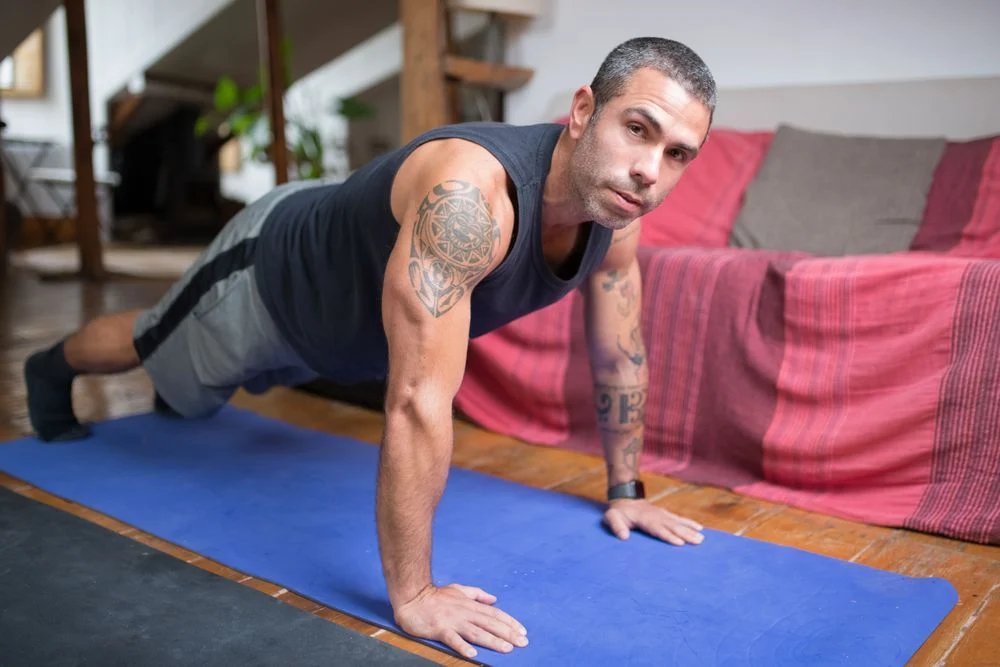
Mastering Bodyweight Exercises for Strength at Home
Not everyone has the luxury to spend hours at the gym, and gym memberships can feel like a significant expense, particularly for beginners. After a long day of work, the idea of driving to a gym can be unappealing. Fortunately, bodyweight exercises provide a fantastic solution to this dilemma.
There’s a common misconception that an effective workout requires heavy weights or complex machines. The truth is, the most effective way to build muscle and develop strength lies in mastering basic bodyweight exercises. These movements can be done at home, whenever it fits your schedule, which greatly improves consistency in your fitness routine.
Rather than being an easy warm-up, the bear crawl is a robust movement that effectively engages multiple muscle groups. Begin slowly, concentrating on proper form rather than distance. As you grow more comfortable, you can extend the distance or increase the number of repetitions. This gradual progression not only prevents injury but also helps you gain confidence in the exercise.
2. Triceps Dip
Many people mistakenly believe that completing numerous push-ups is sufficient to target their triceps. While push-ups do engage the triceps, they aren’t as effective as the triceps dip, which directly focuses on this crucial muscle group as well as the lower chest and anterior deltoids.
What may seem like a simple exercise becomes surprisingly challenging after just a few repetitions. This is why triceps dips are essential for anyone looking to refine their bodyweight workout routine. Using a sturdy chair or bench, maintain an upright torso and keep your elbows close to your body while lowering yourself. If you’re new to dips, start with a limited range of motion and increase it progressively as you build strength.
3. Bodyweight Squat
Squats are fundamental to effective lower-body training. The ability to squat comfortably translates into improved daily movements such as sitting down, standing up, and climbing stairs, which are essential parts of a healthy lifestyle.
By regularly incorporating squats into your routine, you not only enhance your lower-body strength but also boost your longevity and independence as you age. Maintaining this type of strength becomes crucial when balance and mobility become increasingly important.
To perform a squat correctly, stand with your feet approximately shoulder-width apart. Lower your hips while keeping your chest lifted and ensure your knees remain aligned with your feet. If you find the standard squat difficult, consider using a stable chair for support until your strength and confidence develop.
4. Pike Push-Up
Many traditional bodyweight exercises concentrate on the chest and back but often overlook the shoulders. The pike push-up serves as one of the best options to effectively engage your shoulders without the need for weights.
To execute a pike push-up, start in a downward dog position, elevating your hips so your body forms an inverted ‘V.’ Walk your feet closer to your hands to achieve a more vertical torso. With control, bend your elbows to lower the top of your head toward the ground, and then push back to your starting position. The more vertical your torso, the tougher the exercise will be for your shoulders. If this proves challenging, consider reducing the range of motion or first mastering the initial position.
5. The Lunge
When performed correctly, the lunge is one of the most beneficial exercises for your lower body and balance, and it requires no equipment. Throughout daily activities like walking or climbing stairs, we naturally engage in single-leg movements. Lunges help to train this vital pattern while challenging each leg independently.
This exercise effectively engages the quads, hamstrings, glutes, and hip flexors, while also enhancing balance and coordination. Strengthening the muscles around critical joints such as the knees, hips, and ankles is another compelling benefit of lunges. Additionally, lunges can help reveal any strength disparities between your legs.
If standard forward lunges feel wobbly, try holding onto something sturdy for support, or practice split squats as a starting point. Focus on smooth, controlled movements instead of trying to go as low as possible.
Building Your Routine
Establishing a consistent workout routine requires intentionality and dedication. Bodyweight exercises provide a versatile and effective way to incorporate fitness into your life without the need for a gym. They strengthen your muscles, enhance balance, and improve daily functional movements, all from the comfort of your home.
Aim to start your routine with a few repetitions of each exercise while prioritizing proper form. As you become more proficient, gradually increase repetitions or sets. Remember, the objective isn’t to achieve perfection from the outset; it’s about forging a sustainable routine that fits your lifestyle.
Incorporating bodyweight exercises into your daily life enables you to build strength and enhance your fitness levels without the constraints of gym schedules or finances. By focusing on fundamental movements, you can enjoy a fulfilling workout experience that nurtures both your physical and mental well-being.
Ultimately, your journey to fitness is about consistency, progression, and enjoying the process. So gather your motivation, start practicing, and embrace the empowering nature of bodyweight training. Whether you’re in your living room or outdoors, these exercises can help you unlock your full strength potential, turning your home into a personal fitness studio.
