Disclosure This post contains affiliate links. As an Amazon Associate, I earn from qualifying purchases at no extra cost to you.
Everyday Foods That Can Impact Your Blood Pressure
Maintaining a healthy diet is essential for overall well-being, but many people are unaware of how everyday foods can affect their health. High blood pressure, or hypertension, can be influenced by what you consume daily. Surprisingly, many common foods found in kitchens across the United States are culprits when it comes to elevating blood pressure levels. By understanding these foods and making more informed choices, you can take significant strides toward healthier living.
1. Pre-made Pasta Sauces
While the convenience of bottled pasta sauces saves time during meal preparation, it often comes at the expense of your health. Many of these sauces are loaded with sodium, making them a potential risk factor for high blood pressure. On top of that, they can contain hidden sugars that contribute to vascular stiffness over time. Making your own pasta sauce from fresh ingredients requires a bit more effort, but the health benefits are worth it. You can control the salt and sugar content, leading to a more heart-friendly meal.
2. Canned Soups
Canned soups are often a go-to when feeling under the weather, but they may not be as healthy as they appear. A single can can contain between 600mg and 1200mg of sodium, exceeding the recommended daily sodium intake for many individuals. Instead of relying on these convenient options, consider making fresh soups at home. If that feels daunting, opt for canned soups labeled “low sodium” or “no added salt,” which provide healthier alternatives without sacrificing flavor.
3. Store-bought Salad Dressings
Salads are often perceived as a healthy option, but the dressings we pour on top may counteract their benefits. Store-bought salad dressings, particularly creamy varieties like ranch, can contain significant amounts of sodium and unhealthy oils. For instance, just two tablespoons of ranch dressing may have upwards of 300mg of salt. Crafting your own dressings is a simple solution. Use olive oil, vinegar, and citrus juice, along with herbs and spices for flavor. This not only keeps your blood pressure in check but also enhances the taste of your salads.
4. Processed and Deli Meats
Grabbing a turkey sandwich might seem like a quick and easy meal option, but processed and deli meats often contain high levels of sodium. A typical serving can deliver as much as 500mg to 700mg of salt, along with unhealthy fats. These meats not only pose risks to blood pressure but can also contribute to weight gain and heart problems. Opting for fresh, unprocessed meats or preparing your own sandwiches at home can be a much healthier choice.
5. Cheese
Cheese can be a delicious addition to many dishes, but it often comes with a high sodium content that can lead to water retention and increased blood pressure. Processed cheeses tend to have even higher levels of salt. While cheese may not taste overly salty, consuming it in large quantities can have adverse effects on your blood pressure levels. Consider using cheese in moderation or opting for lower-sodium varieties when possible.
6. Frozen Meals
Frozen dinners offer an enticing convenience for busy lifestyles, but they may contain alarming amounts of sodium. Some frozen meals have over half the daily recommended sodium intake in just one serving. This excessive salt is often used for flavor preservation. To mitigate this issue, try preparing meals in bulk and freezing them yourself. This way, you can control the ingredients and sodium levels.
7. Restaurant Foods
Dining out can be enjoyable, but restaurant foods are often packed with salt. It doesn’t matter if you choose a seemingly healthy option; these meals frequently contain more sodium than a home-cooked dish. After eating out, you may notice an uptick in your blood pressure readings. If you’re dining out, don’t hesitate to make special requests, such as asking for less salt or wanting to know how the food is prepared. Being proactive can allow you to make better choices while still enjoying your restaurant favorites.
8. Instant Noodles
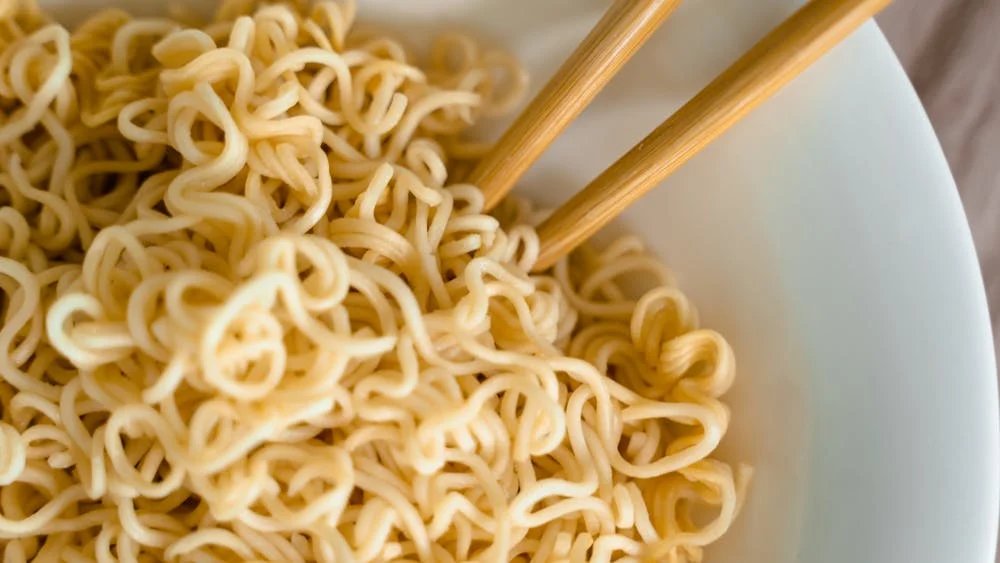
Instant noodles are a favorite late-night snack for many, but they can be incredibly high in sodium. The seasoning packets can contain up to 1800mg of salt. Whether you choose to boil or fry them, the sodium content remains high, making them a poor choice for maintaining healthy blood pressure. Consider healthier snack alternatives, such as whole grains or vegetable soups, that provide more nutritional value without the added sodium.
9. Breakfast Cereals
Many children grow up eating breakfast cereal, but some popular choices are loaded with salt. Certain cereals can contain up to 300mg of sodium per serving, a concerning amount for a meal that ideally starts your day right. If you’re adding milk, which also contains salt, this only compounds the issue. To make a healthier choice, read labels carefully and look for cereals with lower sodium, ideally less than 140mg per serving. Alternatively, consider switching to oatmeal or other whole-grain options for breakfast.
10. Pickled and Fermented Foods
Pickles are a beloved condiment, but they are often high in sodium because salt is a key ingredient in the pickling process. Frequent consumption can impair your body’s fluid balance, increasing the risk of hypertension. Even small servings can contribute to a high sodium intake. For a flavorful alternative, consider using fresh herbs and spices or vinegar-based dressings instead.
Making Informed Choices for a Healthier Future
The foods we’ve discussed may not seem alarming at first glance, but their cumulative effects can significantly impact your health over time. Diet plays a crucial role in managing blood pressure and overall wellness. By being aware of the sodium content and other unhealthy components in everyday foods, you can make smarter choices that support your health goals.
Eliminating or reducing these high-sodium foods from your diet can lead to better blood pressure management and enhance your overall quality of life. Making conscious dietary choices isn’t just about avoiding unhealthy options; it’s also about embracing wholesome, nutritious foods that empower you to live your best life.