Disclosure This post contains affiliate links. As an Amazon Associate, I earn from qualifying purchases at no extra cost to you.
1. Neglecting Breathing Techniques During Tough Poses
Breathing is fundamental in Pilates, just as it is in yoga. Each movement is crafted to synchronize with your breathing, which aids in effectively engaging your muscles and enhancing control throughout your exercises.
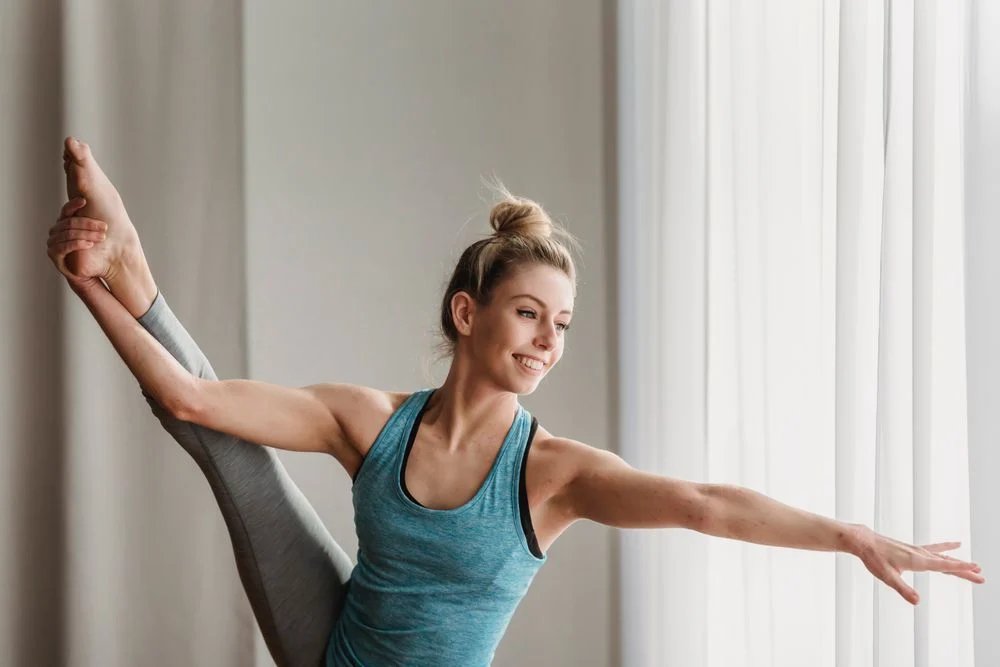
Common Pilates Mistakes: How to Maximize Your Workout
Pilates has emerged as one of the leading forms of exercise for enhancing strength, improving posture, and boosting flexibility. While the transitions may appear fluid and effortless, the essence of Pilates lies heavily in precise technique rather than rapid execution. For this reason, even minor errors in form can impede your advancement in practice.
Many newcomers to Pilates find themselves questioning whether they are performing exercises correctly. Fortunately, most Pilates-related errors are straightforward to rectify once the correct adjustments are understood. By making simple tweaks, you can enhance the effectiveness of your sessions while minimizing the likelihood of discomfort or injury.
It’s not uncommon for beginners to involuntarily hold their breath during challenging movements. This reaction can lead to excessive tension in areas like the neck, shoulders, and jaw, making it difficult to activate the deep core muscles that Pilates aims to develop.
Instead of holding your breath, strive to maintain a steady airflow throughout each exercise. Listening to your instructor’s breathing cues can facilitate this process. By aligning your breath with each movement, you can boost stability, control, and overall exercise performance.
2. Hurrying Through the Routine
Faster movements do not equate to quicker results. In fact, racing through your Pilates exercises can diminish their effectiveness as your body may rely on momentum rather than muscular control.
The philosophy behind Pilates promotes building strength through slow and intentional movements that challenge balance and stability. If you rush through repetitions, you miss the opportunity to fully engage the muscles targeted for strengthening.
It’s also beneficial to spend a few minutes warming up your body before diving into your workout. A proper warm-up can enhance mobility and ensure a smoother session.
Slow down, maintain your focus, and prioritize quality over quantity; this is where the true benefits of Pilates become evident.
3. Overlooking Core Engagement
A strong core is central to practically every Pilates exercise. If you frequently experience fatigue in your neck and shoulders while your core feels underworked, you might not be engaging your muscles as intended.
Rather than relying solely on your arms or legs to perform each movement, concentrate on gently drawing in your abdominal muscles to support your spine. This technique shifts the focus onto your core and minimizes unnecessary strain on other body areas.
As you practice, activating your core will become second nature, leading to exercises performed with greater control and stability.
4. Allowing Misalignment of Hips and Spine
Proper posture and alignment are crucial components of Pilates practice. Given that many exercises involve subtle movements, it can be easy to lose your alignment without even realizing it.
Common misalignment issues include uneven hips, rounded shoulders, and pelvic tilting either too far forward or back. Over time, such habits can render exercises less effective and may even lead to discomfort or pain.
Pay close attention to your pelvic position, particularly during core exercises. Maintaining a neutral spine whenever feasible allows your deep core muscles to function effectively, promoting healthier movement patterns.
If you’re uncertain about your alignment, consider practicing in front of a mirror or seeking feedback from an instructor. Keeping track of these details helps minimize Pilates errors and fosters a more productive practice.
5. Skipping Over the Basics
The allure of diving into advanced Pilates routines can be strong, especially upon witnessing seasoned instructors execute impressive maneuvers. However, mastering the basics is one of the most effective strategies for long-term improvement.
Foundational exercises lay the groundwork for proper breathing, alignment, stability, and core engagement—the essential skills needed for mastering more complex movements.
Everyone makes mistakes when starting something new. Investing extra time in practicing the basics builds confidence, enhances technique, and establishes a stronger foundation for ongoing progress.
6. Ignoring Feedback and Guidance
When embarking on your Pilates journey, it’s vital to remain receptive to feedback and guidance from instructors, particularly if you’re new to the practice. Experienced instructors can help pinpoint areas that need adjustments and can suggest modifications tailored to your unique needs.
Not only can constructive feedback expedite your learning curve, but it can also help you identify which common pitfalls to avoid for a more beneficial practice. Remember, the path to mastery is not a straight line; it often involves navigating through errors and learning how to overcome them effectively.
7. Underestimating the Importance of Rest and Recovery
Engaging in any form of exercise, including Pilates, requires appropriate rest and recovery to facilitate muscle repair and growth. Beginners often underestimate the importance of allowing their bodies time to recuperate, resulting in fatigue and decreased performance.
Listening to your body is crucial. If you feel tired or sore, taking time off or incorporating gentle stretching can help rejuvenate your muscles. This balance can lead to improved results in your Pilates practice over time.
8. Focusing Solely on Physical Outcomes
While Pilates can offer numerous physical benefits such as enhanced muscle tone, increased flexibility, and improved posture, it’s important not to overlook the mental and emotional aspects of this practice. Engaging fully in the exercises can foster mindfulness and help alleviate stress.
Consider incorporating elements of mindfulness into your sessions. Concentrating on your breath, being aware of your movements, and connecting with your body can enrich your Pilates experience, making it more holistic.
9. Overdoing It: Pushing Beyond Your Limits
It’s natural to want to challenge yourself, but pushing too hard can lead to injuries and setbacks. It’s important to recognize your limits and work within them to avoid straining muscles or joints.
Start with exercises that are appropriate for your level, gradually increasing in complexity as your skills improve. This mindful approach ensures that you’re making consistent progress without compromising your body.
Conclusion
Although no one becomes a Pilates expert overnight, making a conscious effort to correct these common mistakes can dramatically enhance your workouts. Focusing on breath control, form, and core engagement will maximize your gains and support a healthier practice overall.
By fostering patience, consistency, and mindfulness, you will not only improve your Pilates technique but also pave the way for lasting progress in your fitness journey.
